
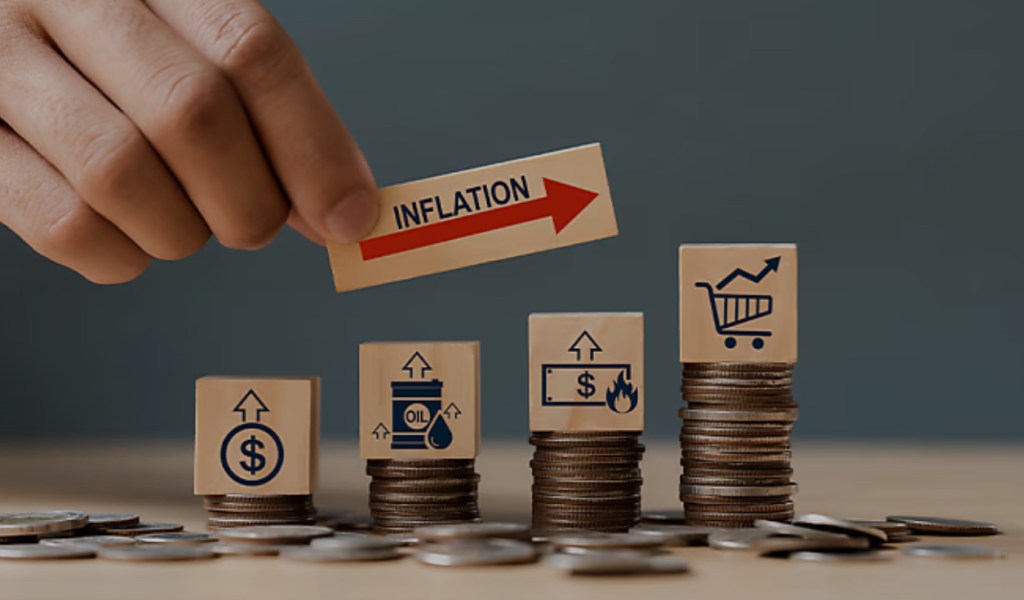
Inflation, the general rise in prices over time, can erode purchasing power and disrupt economic stability if left unchecked. Managing inflation is a critical task for the U.S. government, primarily through monetary policy, fiscal measures, and regulatory actions. Here’s an overview of the tools and strategies used to control inflation and maintain economic balance.
1. Monetary Policy: The Federal Reserve’s Role
The Federal Reserve (the Fed) is the primary institution responsible for managing inflation. It does this by adjusting the money supply and interest rates through the following mechanisms:
• Adjusting Interest Rates:
The Fed can raise or lower the federal funds rate, which influences borrowing costs for businesses and consumers.
• Higher interest rates make borrowing more expensive, reducing spending and cooling the economy, thus curbing inflation.
• Lower interest rates encourage borrowing and spending, which can help combat deflation or stimulate a sluggish economy.
• Open Market Operations (OMO):
The Fed buys or sells government securities in the open market.
• Selling securities reduces the money supply, slowing inflation.
• Buying securities injects money into the economy, encouraging growth.
• Reserve Requirements:
The Fed can alter the reserve requirements for banks, which dictate how much money banks must hold rather than lend out.
• Higher reserve requirements restrict lending and slow inflation.
2. Fiscal Policy: Government Spending and Taxation
The federal government also plays a role in controlling inflation through fiscal policy, which involves adjusting spending and taxation:
• Reducing Government Spending:
By cutting back on public expenditures, the government decreases demand in the economy, which can help reduce inflationary pressure.
• Increasing Taxes:
Higher taxes reduce disposable income for consumers and businesses, leading to less spending and investment, which can cool an overheated economy.
Conversely, during periods of low inflation or deflation, the government can increase spending and reduce taxes to stimulate economic activity.
3. Regulatory and Supply-Side Measures
While monetary and fiscal policies address demand-side inflation, the government can also tackle supply-side issues that contribute to inflation:
• Improving Supply Chains:
Policies aimed at reducing bottlenecks, such as investments in infrastructure or easing trade restrictions, can increase the supply of goods and services, helping stabilize prices.
• Energy Policies:
High energy costs often drive inflation. Promoting energy efficiency, diversifying energy sources, or releasing oil from strategic reserves can mitigate inflationary pressures.
• Encouraging Productivity:
Policies that support innovation, education, and workforce development can improve productivity, reducing the cost of goods and services over time.
Challenges in Controlling Inflation
Managing inflation is not without its challenges:
• Lag Effect: The impact of monetary and fiscal policies often takes months to materialize, making timing crucial.
• Risk of Recession: Overcorrecting inflation can stifle economic growth and lead to a recession.
• Global Influences: External factors, such as oil price shocks or geopolitical events, can undermine domestic inflation control efforts.
Conclusion
Inflation control is a balancing act. The U.S. government, primarily through the Federal Reserve and fiscal policies, employs various tools to maintain economic stability. While these strategies are generally effective, they must be applied judiciously to avoid unintended consequences like economic stagnation or unemployment. By staying vigilant and responsive to economic trends, the government aims to keep inflation at manageable levels, fostering a stable and prosperous economy.
 Silver Serenity Solutions
Leave a comment