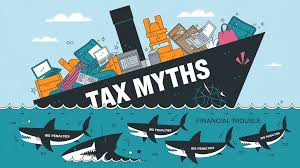
Taxes can be complicated, and misinformation can make the process even more stressful. To help you navigate tax season with confidence, we’re debunking five common tax myths that might be costing you time, money, or peace of mind.
Myth 1: Getting a Tax Refund Means You Did Your Taxes Right
Many people see a big tax refund as a financial win, but it doesn’t necessarily mean you handled your taxes correctly. A refund often indicates that you overpaid throughout the year, giving the government an interest-free loan. Ideally, your tax withholding should match what you owe, leaving you with a smaller refund or none at all. Adjust your W-4 form if you want to keep more of your paycheck throughout the year.
Myth 2: Students Don’t Have to Pay Taxes
Many students assume they don’t need to file taxes, but if you earn income above the standard deduction threshold, you’re required to file a return—student or not. Even if your income falls below the threshold, it may be worth filing to claim refundable tax credits, like the Earned Income Tax Credit (EITC) or education credits such as the American Opportunity Credit.
Myth 3: You Don’t Need to File If You Can’t Pay
Some people avoid filing taxes because they can’t afford to pay their tax bill, but this is a mistake that can lead to penalties and interest. It’s always better to file on time, even if you can’t pay the full amount. The IRS offers payment plans to help taxpayers settle their debts over time, and filing on time can prevent additional late-filing penalties.
Myth 4: Side Hustles and Gig Work Don’t Need to Be Reported
Think that selling items online, freelancing, or driving for a rideshare service is “off the books”? Think again. Income from side hustles and gig work is taxable, even if you’re paid in cash or via apps. The IRS uses platforms like Form 1099-NEC or Form 1099-K to track your income. Ignoring these earnings could lead to an unpleasant surprise during an audit.
Myth 5: Hiring a Professional Guarantees a Perfect Return
Hiring a tax professional can save you time and reduce errors, but it doesn’t make you immune to mistakes or audits. You are ultimately responsible for the accuracy of your tax return. Review your return carefully before submitting it, even if it was prepared by a professional. If a preparer promises “guaranteed” large refunds or engages in questionable practices, that’s a red flag.
Final Thoughts
Filing taxes may never be fun, but avoiding these myths can make the process smoother and less stressful. Stay informed, keep accurate records, and don’t hesitate to seek professional guidance if needed. By doing so, you’ll avoid costly mistakes and set yourself up for success during tax season.
Have questions about your taxes? Share them in the comments below!
 Silver Serenity Solutions
Leave a comment