
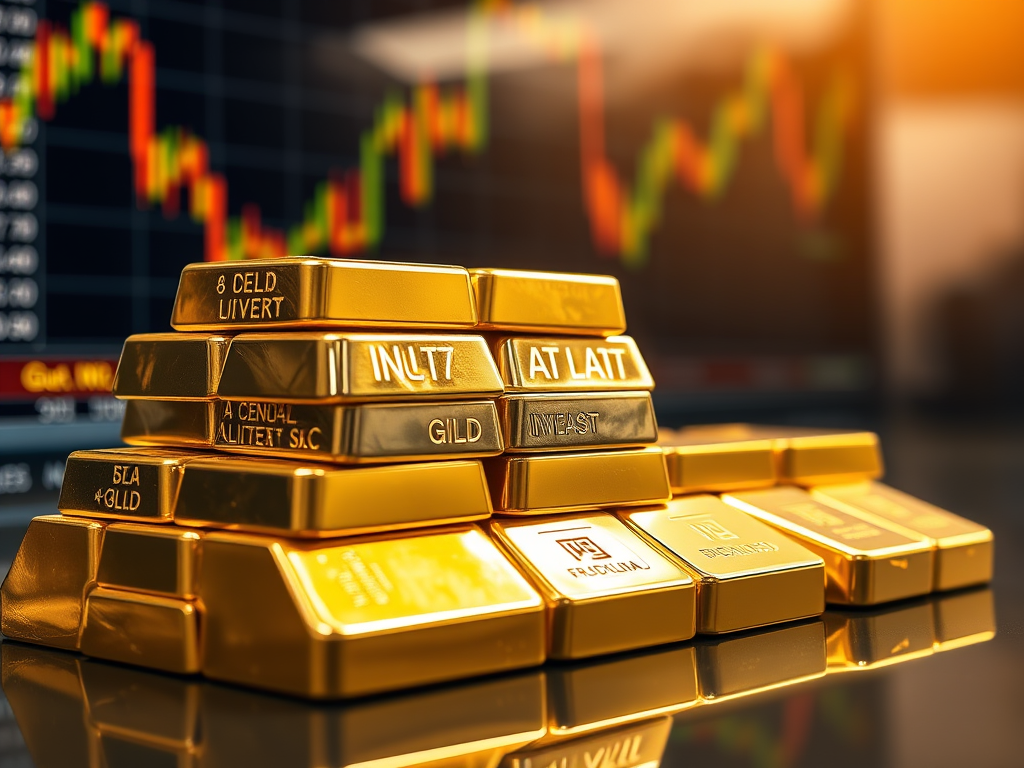
When markets get shaky or inflation looms large, many investors turn to precious metals like gold, silver, platinum, and palladium. These metals have long been considered a “safe haven” during times of economic uncertainty. But are they a wise investment for you? Let’s break down the pros and cons.
✅
Pros of Investing in Precious Metals
1. Hedge Against Inflation
Precious metals—especially gold—tend to hold their value as the cost of living rises. When paper currency loses purchasing power, the value of metals often goes up, helping to protect your wealth.
2. Safe Haven in Uncertain Times
During geopolitical tensions or market downturns, investors flock to gold and silver to preserve capital. Historically, they’ve provided a cushion when stocks or bonds take a dive.
3. Diversification
Precious metals don’t usually move in tandem with the stock market. Adding them to your portfolio can reduce risk and improve overall stability.
4. Tangible Assets
Unlike stocks or bonds, metals are physical assets. You can hold them in your hand, store them in a safe, and they won’t vanish due to a cyberattack or corporate scandal.
5. High Liquidity
Gold and silver, in particular, are highly liquid. You can sell them relatively easily in most markets around the world.
❌
Cons of Investing in Precious Metals
1. No Income or Yield
Precious metals don’t pay dividends or interest. While they may appreciate over time, they won’t generate passive income like stocks, bonds, or real estate.
2. Price Volatility
Metals can be surprisingly volatile. While they’re often seen as “stable,” prices can swing wildly based on global demand, mining production, and investor sentiment.
3. Storage and Insurance Costs
If you buy physical metals, you’ll need a secure way to store them. Safe deposit boxes or specialized vaults add cost, and insurance may be required for added protection.
4. Long-Term Growth Potential May Be Limited
While metals can preserve wealth, they may not grow it as effectively over the long term. Stocks have historically offered better long-term returns.
5. Counterfeit Risk (Physical Metals)
Physical coins and bars can be faked. If you’re not careful about where you buy, you could end up with counterfeit metals and lose your investment.
⚖️
Should You Invest in Precious Metals?
If you’re looking to diversify your portfolio, hedge against inflation, or add a tangible asset to your investments, precious metals can be a solid choice. But they shouldn’t be your only investment. Experts often recommend allocating only 5%–10% of your total portfolio to metals.
Like any investment, success depends on your goals, risk tolerance, and time horizon. Understanding both the strengths and limitations of precious metals will help you make a smarter, more balanced decision.
Final Tip:
Whether you choose physical bullion, ETFs, mining stocks, or futures, make sure you understand the risks and work with reputable dealers or brokers. Investing in what you don’t understand can turn a “safe haven” into a costly mistake.
 Silver Serenity Solutions
Leave a comment